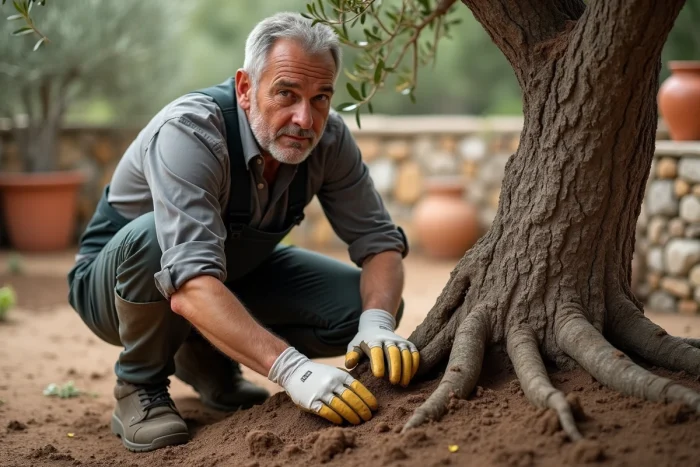
A relocated olive tree at the wrong time has little chance of starting a second life. Despite the care taken, a poorly timed replanting exposes the tree to irreversible damage. The roots, vulnerable by nature, struggle to cope with persistent moisture or excessive heat when they are left bare.
Replanting outside the right period exposes the tree to water stress, which rarely gives it a second chance. Not all Mediterranean varieties react the same way to uprooting, and each region imposes its own constraints, sometimes contrary to the classic calendar.
When does the olive tree best tolerate uprooting?
For many, the question of the right time slot to move an olive tree resembles a climatic equation. Experience shows that it is not enough to dig, lift, and replace: everything hinges on the choice of timing. Depending on the area, the local climate, and even the variety, the ideal period varies, and betting on the right window gives the tree its true start.
In regions bathed in mildness, spring remains the reference. When the cold recedes and the earth comes alive, the roots of the olive tree resume their activity, favoring recovery. North of the Loire, it is preferable to intervene immediately after winter, before the sap begins to rise rapidly: this is when the tree withstands the shock of uprooting the least poorly. However, one must be wary of periods of frozen or waterlogged soil, as extracting an olive tree under these conditions exposes it to irreparable injuries.
Summer, with its abrupt heat, spares nothing for the relocated olive tree: sudden evaporation depletes its reserves. Sometimes, autumn can also be suitable in the south, if the cold takes time to settle in. Ultimately, it is about observing natural cycles and the whims of local weather before embarking.
Here are the periods that offer the most security depending on the location:
- Spring: to be favored wherever possible
- End of winter: interesting in areas with mild winters
- Autumn: only in the south, before the arrival of frost
The balance between exposure, soil type, and each tree’s reaction guides the choice. To gain a comprehensive overview of this subject and refine your decisions, the guide when to uproot an olive tree for replanting offers a detailed view of recommended practices according to each region.
Keys to successful replanting: methods and practical advice
Successfully reinstalling an olive tree where it wasn’t is not a matter of chance. It all starts with meticulous preparation of the ground. A hole should be dug wide and about fifty centimeters deep, large enough to give space to roots that sometimes suffer from being moved. Soil that is too compact or heavy must be aerated, mixed with compost and sand. A layer of gravel or clay pebbles at the bottom of the hole ensures there is no water stagnation, which is essential for an olive tree to thrive.
The trunk must be placed upright, the collar kept above the soil, and the hole carefully filled and compacted without brutality. Immediately afterward, generous watering eliminates air bubbles and encourages the formation of new roots. In the following months, the trick is to keep the soil cool, never waterlogged or dried out: both excess and lack are two formidable traps.
In the case of winter replanting or when northern climates threaten, placing a winter cover around the foliage protects the young shoots. For pruning, only intervene as strictly necessary: remove damaged branches, nothing more, so that all resources serve the rooting.
To not overlook anything in the first steps after transplantation, keep the following points in mind:
- Favor an aerated, enriched, and draining substrate
- Manage watering without excess, and be extra vigilant in case of pot cultivation
- Observe the recovery weekly and adjust care based on the vigor of the foliage
It is daily observation and the ability to adapt to the soil structure that determine, over time, the vitality and growth of the olive tree.
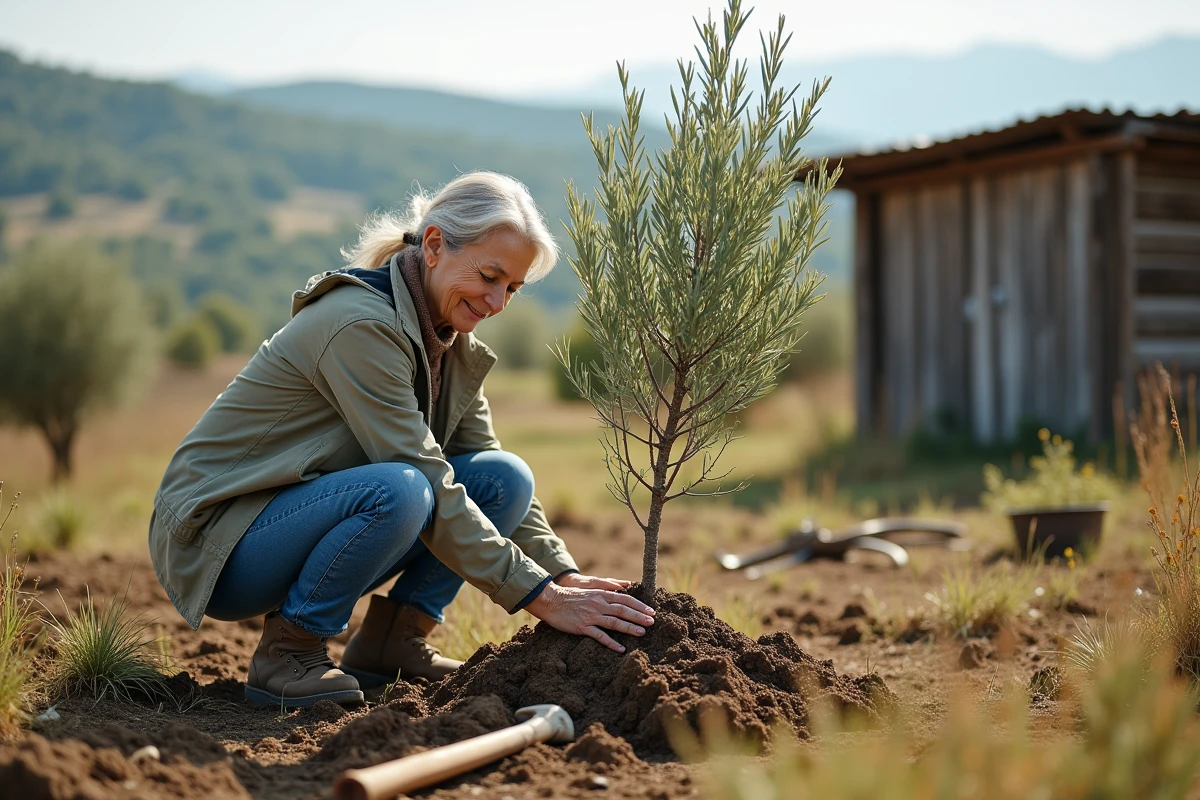
Which olive varieties to favor according to your region and desires?
Choosing the right olive variety means aiming correctly between climatic adaptation and tasting desires. In cold-exposed regions, some varieties withstand better than others: the Aglandau or the Verdale de Carpentras endure the whims of winter and ensure recovery, where less robust trees would struggle to establish themselves. Are you looking for green olives to snack on? The Picholine offers firmness and flavor, while the Lucques delights with its texture and finesse.
The south multiplies the options: Grossane and Tanche thrive in full sun, producing fleshy fruits, suitable for table desires or oil production. Drawing inspiration from customer reviews read on cultivonsnosracines.fr provides valuable feedback on the vigor of young plants and the flavor of the harvests.
Some varieties stand out for their recovery and fruiting quality:
- ‘Aglandau’: appreciated in cool areas for fruity oil
- ‘Verdale de Carpentras’: reliable against the cold, perfect for preparing green olives
- ‘Picholine’: as good for tasting as it is effective for oil
- ‘Grossane’ and ‘Tanche’: ideal for gardens bathed in Mediterranean softness
Thinking about long-term planting means seeking hardiness, productivity, and the final use of the olives. The choice of variety shapes the olive of the future, but it also solidifies the resilience of your olive grove against the changing demands of the climate. An olive tree that finds its place at the right time and in the right soil guarantees solid growth, year after year.